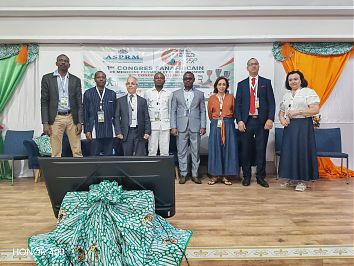
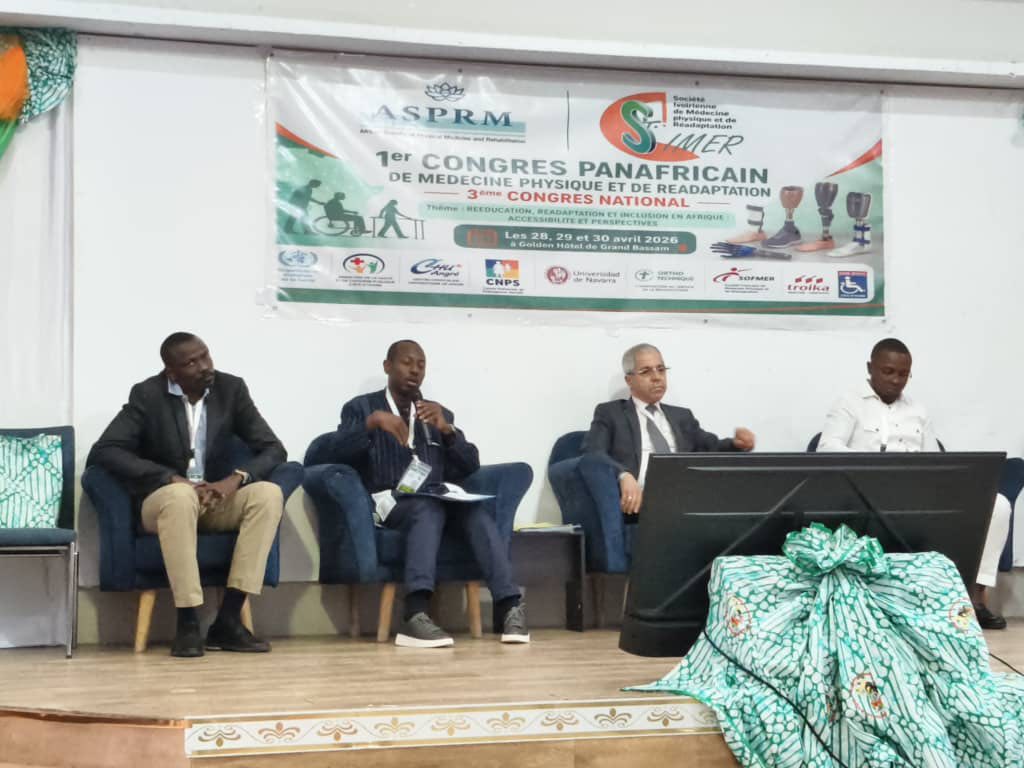
SESSION WRA / OMS — 1er Congrès Pan-Africain de Médecine Physique et de Réadaptation
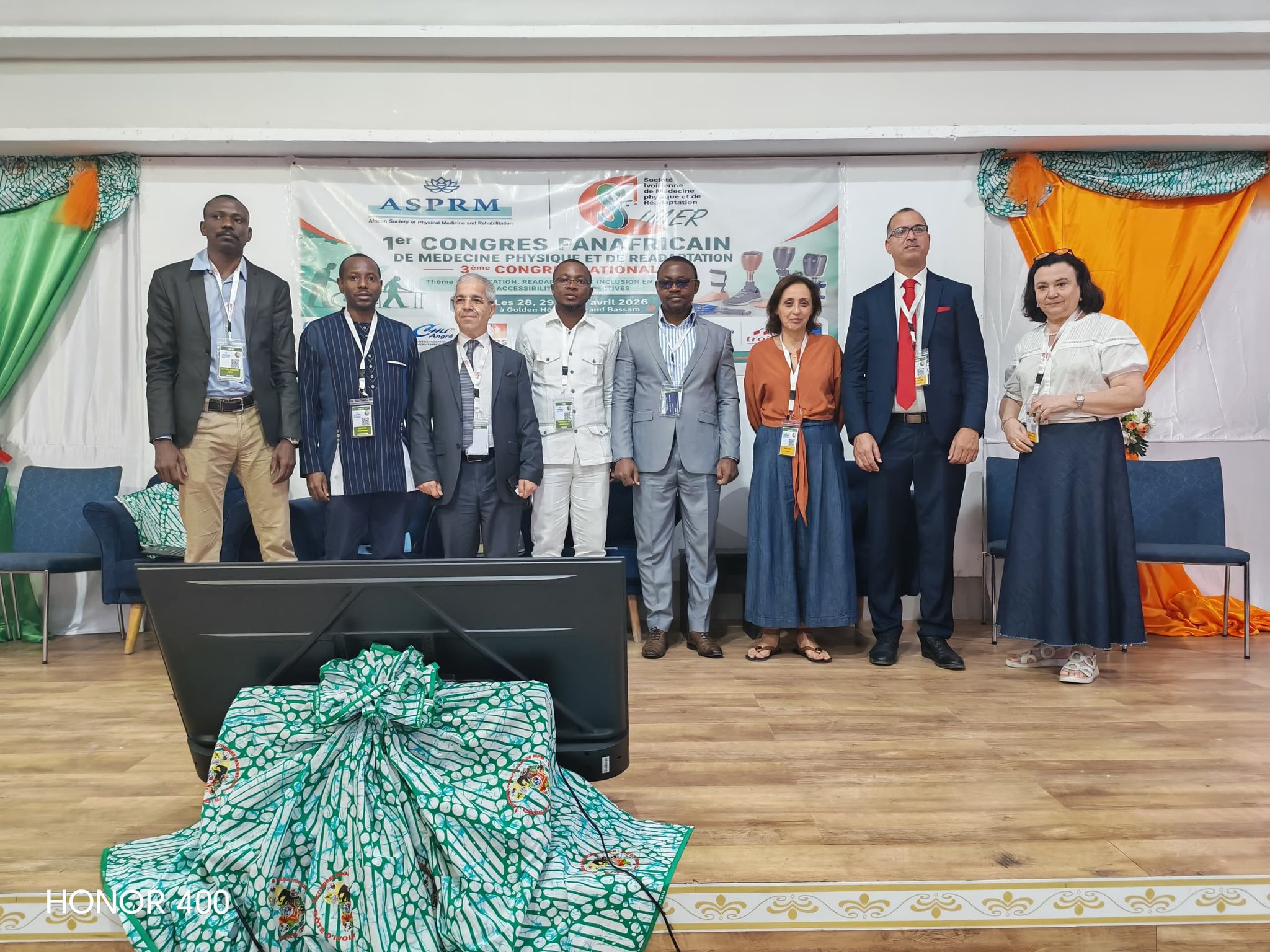
جلسة تحالف إعادة التأهيل العالمي / منظمة الصحة العالمية — المؤتمر الإفريقي الأول للطب الفيزيائي وإعادة التأهيل
29 أفريل 2026 | 14:30 – 16:00 | فندق غولدن، غراند بسام، أبيدجان، كوت ديفوار
تحت إشراف World Rehabilitation Alliance وWorld Health Organization (المكتب الإقليمي لإفريقيا)، انعقدت الجلسة العامة بعنوان:
«تعزيز إعادة التأهيل في إفريقيا — الخبرات الوطنية والدروس المستفادة لإدماجها في الأنظمة الصحية»، حيث جمعت نخبة من خبراء القارة لمناقشة قضايا محورية تخص تخصصنا.
أدار الجلسة ونسّقها كلٌّ من:
- Imen Miri (كلية الطب بتونس)
- Abderrazak Hajjioui (جامعة عبد المالك السعدي، المغرب — عضو تحالف WRA)
وقد سلطت الجلسة الضوء على التجارب الوطنية لكل من:
- Benin
- Tanzania
- Burundi
لتُختتم بطاولة مستديرة رفيعة المستوى.
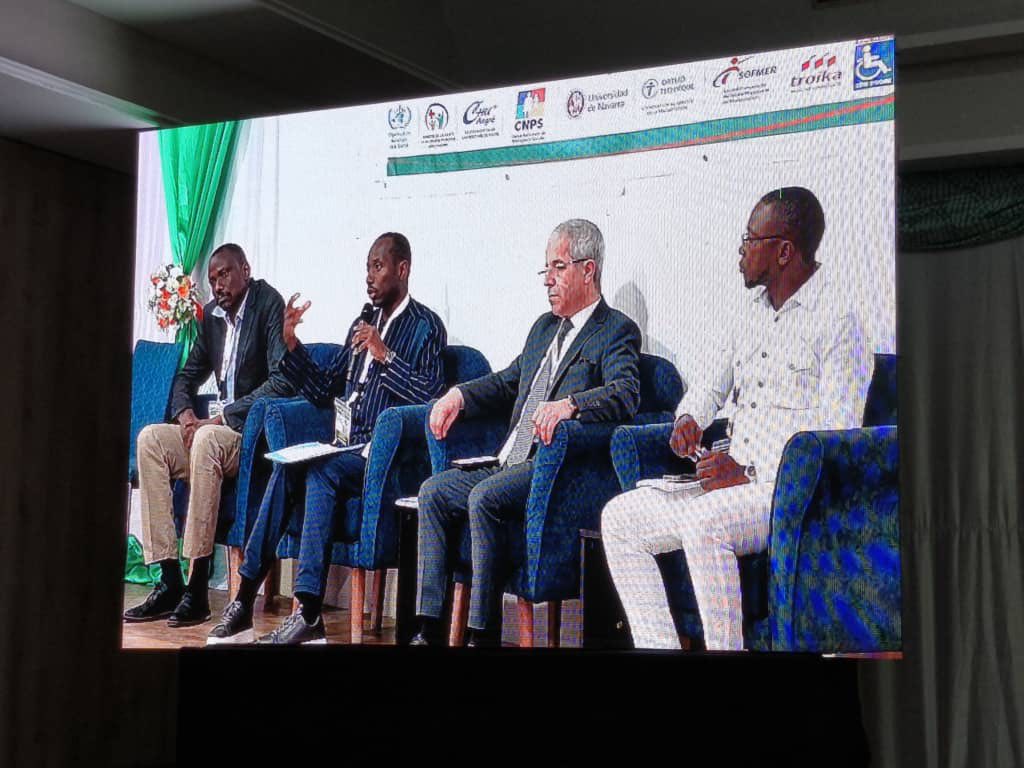
مداخلة الجزائر — الأستاذ بوقارة زهير
(Société Algérienne de Médecine Physique et de Réadaptation / CHU Blida)
في رده على أسئلة المُسيّرين، قدّم الأستاذ بوقرة عرضًا واقعيًا وملتزمًا لمسار الطب الفيزيائي وإعادة التأهيل في الجزائر:
منذ الاستقلال سنة 1962، مرّ التخصص بعدة مراحل تأسيسية، قبل أن يشهد تطورًا ملموسًا ابتداءً من تسعينيات القرن الماضي. وقد تُرجِم هذا التطور من خلال:
- إنشاء مصالح متخصصة على مستوى المراكز الاستشفائية الجامعية،
- تطوير مؤسسات استشفائية متخصصة،
- إدماج التخصص في التكوين الجامعي، مما شكّل منعطفًا حاسمًا في ترسيخ شرعيته وتخريج أولى دفعات المختصين محليًا.
بالأرقام اليوم: - 550 أستاذًا وأخصائيًا استشفائيًا جامعيًا في الطب الفيزيائي وإعادة التأهيل
- أكثر من 200 أخصائي في القطاع الخاص
- تكوين نشط للإطارات شبه الطبية (العلاج الفيزيائي، العلاج الوظيفي، العلاج النفسي الحركي)
- جمعية علمية وطنية ديناميكية في تطور مستمر
- مجلة علمية جزائرية متخصصة في توسع ملحوظ
- تنظيم أيام علمية وطنية ودولية بانتظام
عوامل النجاح:
الهيكلة الاستشفائية الجامعية، تكوين الأطباء المقيمين، المؤسسات المتخصصة، والجمعية العلمية الوطنية شكلت ركائز متينة لتطور متناسق للتخصص.
التحديات:
يبقى إدماج إعادة التأهيل ضمن الرعاية الصحية الأولية التحدي الأبرز. فما زال يُنظر إلى التخصص كخدمة استشفائية مرجعية، في حين ينبغي أن يكون مسارًا متواصلاً قريبًا من المريض، خاصة في المناطق الريفية وشبه الحضرية. كما أن غياب مخطط وطني لإعادة التأهيل يجعل التطور رهين المبادرات المحلية دون تنسيق استراتيجي شامل.
الرسالة الأساسية:
“في الجزائر كما في باقي إفريقيا، نملك الكفاءات والهياكل. ما نحتاجه اليوم هو إرادة سياسية تُترجم إلى مخطط وطني لإعادة التأهيل، يضمن لكل مريض، أينما كان، حقه في الولوج إلى الرعاية التي يستحقها.”
مداخلة لاقت استحسان الحضور، وعكست النضج المتزايد للطب الفيزيائي وإعادة التأهيل في إفريقيا، والحاجة الملحة للانتقال إلى مستوى القرار السياسي.
WRA / WHO Session — 1st Pan-African Congress of Physical and Rehabilitation Medicine
April 29, 2026 | 14:30–16:00 | Golden Hotel, Grand-Bassam, Abidjan, Côte d’Ivoire
Under the auspices of the World Rehabilitation Alliance and the World Health Organization (WHO AFRO), the plenary session entitled:
“Strengthening Rehabilitation in Africa — National Experiences and Lessons for Health System Integration” brought together leading experts from across the continent to address key strategic issues for our specialty.
The session was chaired and moderated by:
- Imen Miri (Faculty of Medicine of Tunis)
- Abderrazak Hajjioui (Abdelmalek Essaadi University, Morocco — WRA Member)
National case studies from:
- Benin
- Tanzania
- Burundi
were presented before a high-level roundtable discussion.
Algeria’s Intervention — Prof. Boukara Zouhir
(Société Algérienne de Médecine Physique et de Réadaptation / CHU Blida)
Responding to the moderators’ questions, Prof. Boukara provided a clear and committed overview of PRM development in Algeria.
Since Independence in 1962, Algerian PRM has gone through several foundational phases, with significant and sustained growth beginning in the 1990s. This evolution materialized through:
- The establishment of specialized departments in major university hospitals,
- The development of specialized rehabilitation institutions,
- The integration of PRM into the university curriculum — a decisive turning point that legitimized the specialty and enabled the training of the first locally educated generation of specialists.
Current figures:
- 550 academic hospital-based PRM specialists
- More than 200 specialists in private practice
- Active training of allied health professionals (physiotherapists, occupational therapists, psychomotor therapists)
- A dynamic and expanding national scientific society
- A growing Algerian scientific journal in PRM
- Regular organization of national and international PRM congresses
What worked:
Academic-hospital structuring, resident training, specialized institutions, and the national scientific society have been the pillars of coherent specialty development.
What remains to be built:
The integration of rehabilitation into primary health care remains the central challenge. PRM is still largely perceived as a tertiary hospital specialty, whereas it should function as a continuum of care accessible close to patients — particularly in rural and semi-urban areas. The absence of a national rehabilitation plan leaves development dependent on local initiatives rather than coordinated national strategy.
Key message:
“In Algeria, as across Africa, we have the specialists and the structures. What we now need is political commitment translated into a national rehabilitation plan, ensuring that every patient, wherever they are, can access the care they deserve.”
A well-received intervention that reflects the growing maturity of African PRM and the urgent need to move toward policy-level scaling.
SESSION WRA / OMS — 1er Congrès Pan-Africain de Médecine Physique et de Réadaptation
29 avril 2026 | 14h30 – 16h00 | Golden Hotel, Grand-Bassam, Abidjan, Côte d’Ivoire
Sous l’égide de la World Rehabilitation Alliance (WRA) et de l’Organisation Mondiale de la Santé (OMS/AFRO), la session plénière « Renforcer la réadaptation en Afrique — Expériences nationales et enseignements pour l’intégration dans les systèmes de santé » a réuni aujourd’hui des experts du continent autour d’enjeux fondamentaux pour notre spécialité.
Animée et modérée par le Pr Imen Miri (Faculté de Médecine de Tunis) et le Pr Abderrazak Hajjioui (Université Abdelmalek Essaadi, Maroc — Membre WRA), la session a mis en lumière les trajectoires nationales du Bénin, de la Tanzanie et du Burundi, avant de laisser place à une table ronde de haut niveau.
INTERVENTION DE L’ALGÉRIE — Pr Boukara Zouhir (SAMER / CHU Blida)
Interrogé par les modérateurs, le Pr Boukara a dressé un tableau lucide et engagé de la MPR algérienne :
Depuis l’Indépendance en 1962, la MPR algérienne a traversé plusieurs périodes fondatrices avant de connaître une progression réelle et soutenue à partir des années 1990. Cette dynamique s’est traduite par la création de services spécialisés dans les CHU des principales wilayas, le développement d’établissements spécialisés (EHS de rééducation), et surtout l’intégration de la MPR dans le cursus universitaire — un tournant décisif qui a légitimé la spécialité et généré une première génération de spécialistes formés localement.
En chiffres aujourd’hui :
- 550 hospitalo-universitaires spécialistes en MPR
- Plus de 200 spécialistes en exercice libéral
- Une formation active des paramédicaux : kinésithérapeutes, psychomotriciens, ergothérapeutes
- La SAMER — Société Algérienne de Médecine Physique et de Réadaptation — société savante nationale dynamique et en plein essor
- L’AJPRM — revue scientifique algérienne de MPR — en pleine expansion
- Des Journées Nationales et Internationales de MPR.
Ce qui a fonctionné :
La structuration hospitalo-universitaire, la formation des résidents, les EHS spécialisés et la SAMER ont constitué les piliers d’un développement cohérent de la spécialité.
Ce qui reste à construire :
L’intégration de la réadaptation dans les soins de santé primaires demeure le défi central. La MPR est encore perçue comme une spécialité de recours hospitalier, alors qu’elle devrait être un continuum accessible au plus près du patient — notamment en zones rurales et semi-urbaines. L’absence d’un plan national de réadaptation laisse le développement de l’offre aux initiatives locales, faute d’une stratégie nationale coordonnée.
Message clé du Pr Boukara :
« En Algérie comme partout en Afrique, nous avons les spécialistes, nous avons les structures — ce qu’il nous faut maintenant, c’est une volonté politique traduite en plan national de réadaptation, pour que chaque patient, où qu’il se trouve, puisse accéder aux soins qu’il mérite. »
Une intervention remarquée, saluée par l’assemblée, qui illustre la maturité croissante de la MPR africaine et l’urgence d’un passage à l’échelle politique.